Buy stopundshop.eu ?
We are moving the project
stopundshop.eu .
Are you interested in purchasing the domain
stopundshop.eu ?
domain@kv-gmbh.de · 0541-91531010
Buy stopundshop.eu ?
How do climate and vegetation determine the formation of a landscape?
Climate and vegetation play a crucial role in shaping the formation of a landscape. The climate of an area, including factors such as temperature, precipitation, and wind patterns, determines the type of vegetation that can thrive in that environment. The presence of certain types of vegetation, in turn, influences the physical characteristics of the landscape, such as soil composition, erosion patterns, and the overall appearance of the terrain. For example, in a hot and dry climate, the presence of desert vegetation like cacti and succulents can lead to the formation of a desert landscape characterized by sandy dunes and rocky outcrops. In contrast, a region with abundant rainfall and lush vegetation may have a landscape dominated by dense forests and fertile soil. **
What is the difference between landscape and landscape ecosystem?
Landscape refers to the visible features of an area of land, including physical elements such as mountains, rivers, and forests. On the other hand, a landscape ecosystem encompasses not only the physical features of the land but also the interactions between living organisms and their environment within that landscape. It includes the relationships between plants, animals, and their surroundings, as well as the flow of energy and nutrients within the ecosystem. In essence, landscape ecosystem is a more holistic concept that considers both the physical and biological aspects of a landscape. **


Similar search terms for Landscape formation
Top-Angebote
Products related to Landscape formation:
-
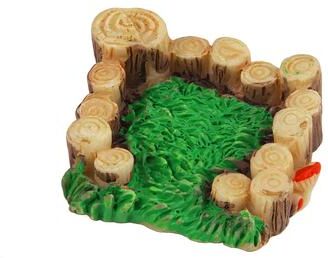
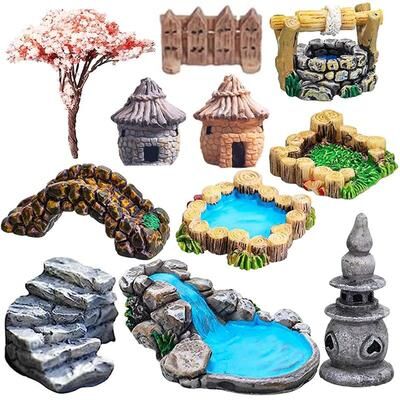
Inspire Select Miniature Fairy Garden Lighthouse & Bridge Resin Ornament DIY Landscape Decor Accessories style MCreate a magical tiny world with this charming fairy garden accessory designed to bring imagination and creativity to miniature landscapes. Featuring adorable lighthouse, bridge, cottage, and water wellinspired details, this decorative ornament adds...50,99 $*Shipping: 0,00 $Secure redirect to the provider
-
Inspire Select Miniature Fairy Garden Lighthouse & Bridge Resin Ornament DIY Landscape Decor Accessories style NCreate a magical tiny world with this charming fairy garden accessory designed to bring imagination and creativity to miniature landscapes. Featuring adorable lighthouse, bridge, cottage, and water wellinspired details, this decorative ornament adds...50,99 $*Shipping: 0,00 $Secure redirect to the provider
-
Inspire Select Miniature Fairy Garden Lighthouse & Bridge Resin Ornament DIY Landscape Decor Accessories style PCreate a magical tiny world with this charming fairy garden accessory designed to bring imagination and creativity to miniature landscapes. Featuring adorable lighthouse, bridge, cottage, and water wellinspired details, this decorative ornament adds...50,99 $*Shipping: 0,00 $Secure redirect to the provider
-
Inspire Select Miniature Fairy Garden Lighthouse & Bridge Resin Ornament DIY Landscape Decor Accessories style LCreate a magical tiny world with this charming fairy garden accessory designed to bring imagination and creativity to miniature landscapes. Featuring adorable lighthouse, bridge, cottage, and water wellinspired details, this decorative ornament adds...50,99 $*Shipping: 0,00 $Secure redirect to the provider



-
What is the difference between landscape architecture and landscape planning?
Landscape architecture focuses on the design and planning of outdoor spaces, including parks, gardens, and urban plazas, with a focus on aesthetics, functionality, and sustainability. Landscape architects often work on specific projects, creating detailed designs and plans for outdoor spaces. On the other hand, landscape planning is a broader field that involves the strategic and holistic planning of land use, natural resources, and environmental conservation. It encompasses the assessment, analysis, and management of landscapes at a larger scale, often involving multiple stakeholders and considering long-term impacts on the environment and communities. In summary, landscape architecture is more focused on the design and aesthetics of outdoor spaces, while landscape planning involves the strategic and comprehensive planning of land use and natural resources. **
-
What is the difference between sperm formation and egg formation?
Sperm formation, or spermatogenesis, occurs in the testes of males and involves the production of sperm cells through a process of cell division and differentiation. On the other hand, egg formation, or oogenesis, occurs in the ovaries of females and involves the production of egg cells through a similar process of cell division and differentiation. The key difference between the two processes is that sperm formation results in the production of four functional sperm cells from one parent cell, while egg formation results in the production of one functional egg cell from one parent cell. Additionally, sperm formation begins at puberty and continues throughout a male's life, while egg formation begins before birth and is completed during the reproductive years. **
-
What are landscape zones?
Landscape zones refer to different areas within a landscape that are designated for specific purposes or have distinct characteristics. These zones can include areas for recreation, conservation, agriculture, or residential development. They are often planned and managed to optimize the use of the land and to protect natural resources. By dividing a landscape into zones, it becomes easier to balance human activities with the preservation of natural ecosystems. **
-
What are landscape units?
Landscape units are distinct areas within a landscape that share similar ecological, geological, and topographical characteristics. These units are defined based on factors such as soil type, vegetation, landform, and hydrology. By identifying and mapping landscape units, land managers and conservationists can better understand the diversity and dynamics of a landscape, and make informed decisions about land use and conservation strategies. This approach helps to recognize the unique features and functions of different areas within a landscape, and can guide efforts to protect and manage natural resources. **

What is fat formation?
Fat formation, also known as adipogenesis, is the process by which fat cells, or adipocytes, are created and accumulate in the body. This process involves the differentiation of precursor cells, such as preadipocytes, into mature adipocytes, which then store excess energy in the form of triglycerides. Fat formation is influenced by various factors, including diet, hormones, and genetics, and plays a crucial role in energy balance and metabolism. Excessive fat formation can lead to obesity and related health issues, while impaired fat formation can contribute to metabolic disorders. **
What is mountain formation?
Mountain formation is the process by which large landforms are created through tectonic forces, volcanic activity, or erosion. Tectonic forces, such as the collision of tectonic plates, can push up the Earth's crust to form mountain ranges. Volcanic activity can also contribute to mountain formation by depositing layers of lava and ash that build up over time. Additionally, erosion from water and ice can carve out mountains and create rugged peaks and valleys. Overall, mountain formation is a complex process that can take millions of years to create the towering landforms we see today. **
Top-Angebote
Products related to Landscape formation:
-
Northwest Operation Hat Trick Formation Faux Mink Sherpa Throw BlanketCelebrate your patriotism and support a meaningful cause with this Operation Hat Trick Faux Mink Silk Touch Sherpa Throw Blanket. This extraordinary blanket combines silky softness with plush faux mink and the cozy warmth of sherpa fabric.89,99 $*Shipping: 0,00 $Secure redirect to the provider
-
Beauty Works Winter Wellness (Worth £41.98)Restore and revive your hair with the Beauty Works Winter Wellness Gift Set. Featuring Beauty Works Restore Mask, Argan Serum, Towel Turban, and Scalp Massager for ultimate hydration, shine, and relaxation. Perfect for winter hair care! This set includes: Restore Mask 250ml: Revive dry, dehydrated hair in just 10 minutes. This Beauty Works Restore Mask in 250ml is a must have addition to your haircare routine - if you're looking for a fast acting treatment that rejuvenates and hydrates your locks then you've found it! Argan Serum 90ml: A hair oil that will have you coming back for more... Healthy looking and feeling hair in seconds, the Beauty Works Argan Oil Serum 90ml has been specially formulated to rejuvenate your locks whenever you need. Towel Turban Scalp Massager Ingredients Aqua [Water], Cetearyl alcohol, Propylene glycol, Behentrimonium chloride, Cetyl esters, Glyceryl stearate, Paraffin, Amodimethicone, Phenyl trimethicone, Sesamum indicum (Sesame) seed oil, Copernicia cerifera cera [Copernicia cerifera (Carnauba) wax], Glycerin, Parfum [Fragrance], Phenoxyethanol, Euphorbia cerifera cera [Euphorbia cerifera (Candelilla) wax], PEG-40/PPG-8 methylaminopropyl/Hydroxypropyl dimethicone copolymer, Lactic acid, PEG-8, Trideceth-10, Dipropylene glycol, Cetrimonium chloride, Hexyl cinnamal, Hydrolyzed Verbascum Thapsus Flower, Hydrolyzed chestnut extract, Hydrolyzed walnut extract, Linalool, PEG-8/SMDI copolymer, Palmitoyl myristyl serinate, Sodium polyacrylate, Citric acid, Methylchloroisothiazolinone, Methylisothiazolinone, Sodium benzoate, Potassium sorbate Cyclopentasiloxane, Dimethiconol, C13-14 isoparaffin, Alcohol denat., Parfum [Fragrance], Argania spinosa kernel oil, Methyl hydrogenated rosinate, Hexyl cinnamal, Citronellol, CI 47000 [Yellow 11], CI 26100 [Red 17]24,50 £*Shipping: 0,00 £Secure redirect to the provider
-
Inspire Select Miniature Fairy Garden Lighthouse & Bridge Resin Ornament DIY Landscape Decor Accessories style MCreate a magical tiny world with this charming fairy garden accessory designed to bring imagination and creativity to miniature landscapes. Featuring adorable lighthouse, bridge, cottage, and water wellinspired details, this decorative ornament adds...50,99 $*Shipping: 0,00 $Secure redirect to the provider
-
Inspire Select Miniature Fairy Garden Lighthouse & Bridge Resin Ornament DIY Landscape Decor Accessories style NCreate a magical tiny world with this charming fairy garden accessory designed to bring imagination and creativity to miniature landscapes. Featuring adorable lighthouse, bridge, cottage, and water wellinspired details, this decorative ornament adds...50,99 $*Shipping: 0,00 $Secure redirect to the provider
-
How do climate and vegetation determine the formation of a landscape?
Climate and vegetation play a crucial role in shaping the formation of a landscape. The climate of an area, including factors such as temperature, precipitation, and wind patterns, determines the type of vegetation that can thrive in that environment. The presence of certain types of vegetation, in turn, influences the physical characteristics of the landscape, such as soil composition, erosion patterns, and the overall appearance of the terrain. For example, in a hot and dry climate, the presence of desert vegetation like cacti and succulents can lead to the formation of a desert landscape characterized by sandy dunes and rocky outcrops. In contrast, a region with abundant rainfall and lush vegetation may have a landscape dominated by dense forests and fertile soil. **
-
What is the difference between landscape and landscape ecosystem?
Landscape refers to the visible features of an area of land, including physical elements such as mountains, rivers, and forests. On the other hand, a landscape ecosystem encompasses not only the physical features of the land but also the interactions between living organisms and their environment within that landscape. It includes the relationships between plants, animals, and their surroundings, as well as the flow of energy and nutrients within the ecosystem. In essence, landscape ecosystem is a more holistic concept that considers both the physical and biological aspects of a landscape. **
-
What is the difference between landscape architecture and landscape planning?
Landscape architecture focuses on the design and planning of outdoor spaces, including parks, gardens, and urban plazas, with a focus on aesthetics, functionality, and sustainability. Landscape architects often work on specific projects, creating detailed designs and plans for outdoor spaces. On the other hand, landscape planning is a broader field that involves the strategic and holistic planning of land use, natural resources, and environmental conservation. It encompasses the assessment, analysis, and management of landscapes at a larger scale, often involving multiple stakeholders and considering long-term impacts on the environment and communities. In summary, landscape architecture is more focused on the design and aesthetics of outdoor spaces, while landscape planning involves the strategic and comprehensive planning of land use and natural resources. **
-
What is the difference between sperm formation and egg formation?
Sperm formation, or spermatogenesis, occurs in the testes of males and involves the production of sperm cells through a process of cell division and differentiation. On the other hand, egg formation, or oogenesis, occurs in the ovaries of females and involves the production of egg cells through a similar process of cell division and differentiation. The key difference between the two processes is that sperm formation results in the production of four functional sperm cells from one parent cell, while egg formation results in the production of one functional egg cell from one parent cell. Additionally, sperm formation begins at puberty and continues throughout a male's life, while egg formation begins before birth and is completed during the reproductive years. **
Similar search terms for Landscape formation
-
Inspire Select Miniature Fairy Garden Lighthouse & Bridge Resin Ornament DIY Landscape Decor Accessories style PCreate a magical tiny world with this charming fairy garden accessory designed to bring imagination and creativity to miniature landscapes. Featuring adorable lighthouse, bridge, cottage, and water wellinspired details, this decorative ornament adds...50,99 $*Shipping: 0,00 $Secure redirect to the provider
-
Inspire Select Miniature Fairy Garden Lighthouse & Bridge Resin Ornament DIY Landscape Decor Accessories style LCreate a magical tiny world with this charming fairy garden accessory designed to bring imagination and creativity to miniature landscapes. Featuring adorable lighthouse, bridge, cottage, and water wellinspired details, this decorative ornament adds...50,99 $*Shipping: 0,00 $Secure redirect to the provider
-
Inspire Select Miniature Fairy Garden Lighthouse & Bridge Resin Ornament DIY Landscape Decor Accessories style JCreate a magical tiny world with this charming fairy garden accessory designed to bring imagination and creativity to miniature landscapes. Featuring adorable lighthouse, bridge, cottage, and water wellinspired details, this decorative ornament adds...50,99 $*Shipping: 0,00 $Secure redirect to the provider
-
Inspire Select Miniature Fairy Garden Lighthouse & Bridge Resin Ornament DIY Landscape Decor Accessories style ICreate a magical tiny world with this charming fairy garden accessory designed to bring imagination and creativity to miniature landscapes. Featuring adorable lighthouse, bridge, cottage, and water wellinspired details, this decorative ornament adds...50,99 $*Shipping: 0,00 $Secure redirect to the provider
-
What are landscape zones?
Landscape zones refer to different areas within a landscape that are designated for specific purposes or have distinct characteristics. These zones can include areas for recreation, conservation, agriculture, or residential development. They are often planned and managed to optimize the use of the land and to protect natural resources. By dividing a landscape into zones, it becomes easier to balance human activities with the preservation of natural ecosystems. **
-
What are landscape units?
Landscape units are distinct areas within a landscape that share similar ecological, geological, and topographical characteristics. These units are defined based on factors such as soil type, vegetation, landform, and hydrology. By identifying and mapping landscape units, land managers and conservationists can better understand the diversity and dynamics of a landscape, and make informed decisions about land use and conservation strategies. This approach helps to recognize the unique features and functions of different areas within a landscape, and can guide efforts to protect and manage natural resources. **
-
What is fat formation?
Fat formation, also known as adipogenesis, is the process by which fat cells, or adipocytes, are created and accumulate in the body. This process involves the differentiation of precursor cells, such as preadipocytes, into mature adipocytes, which then store excess energy in the form of triglycerides. Fat formation is influenced by various factors, including diet, hormones, and genetics, and plays a crucial role in energy balance and metabolism. Excessive fat formation can lead to obesity and related health issues, while impaired fat formation can contribute to metabolic disorders. **
-
What is mountain formation?
Mountain formation is the process by which large landforms are created through tectonic forces, volcanic activity, or erosion. Tectonic forces, such as the collision of tectonic plates, can push up the Earth's crust to form mountain ranges. Volcanic activity can also contribute to mountain formation by depositing layers of lava and ash that build up over time. Additionally, erosion from water and ice can carve out mountains and create rugged peaks and valleys. Overall, mountain formation is a complex process that can take millions of years to create the towering landforms we see today. **
* All prices are inclusive of VAT and, if applicable, plus shipping costs. The offer information is based on the details provided by the respective shop and is updated through automated processes. Real-time updates do not occur, so deviations can occur in individual cases. ** Note: Parts of this content were created by AI.